

The Rosewood Edit
Design inspiration, renovation advice, and expert perspective
Small Kitchen Secrets: Unlock More Space in Your McLean Home (No Walls Moved!)
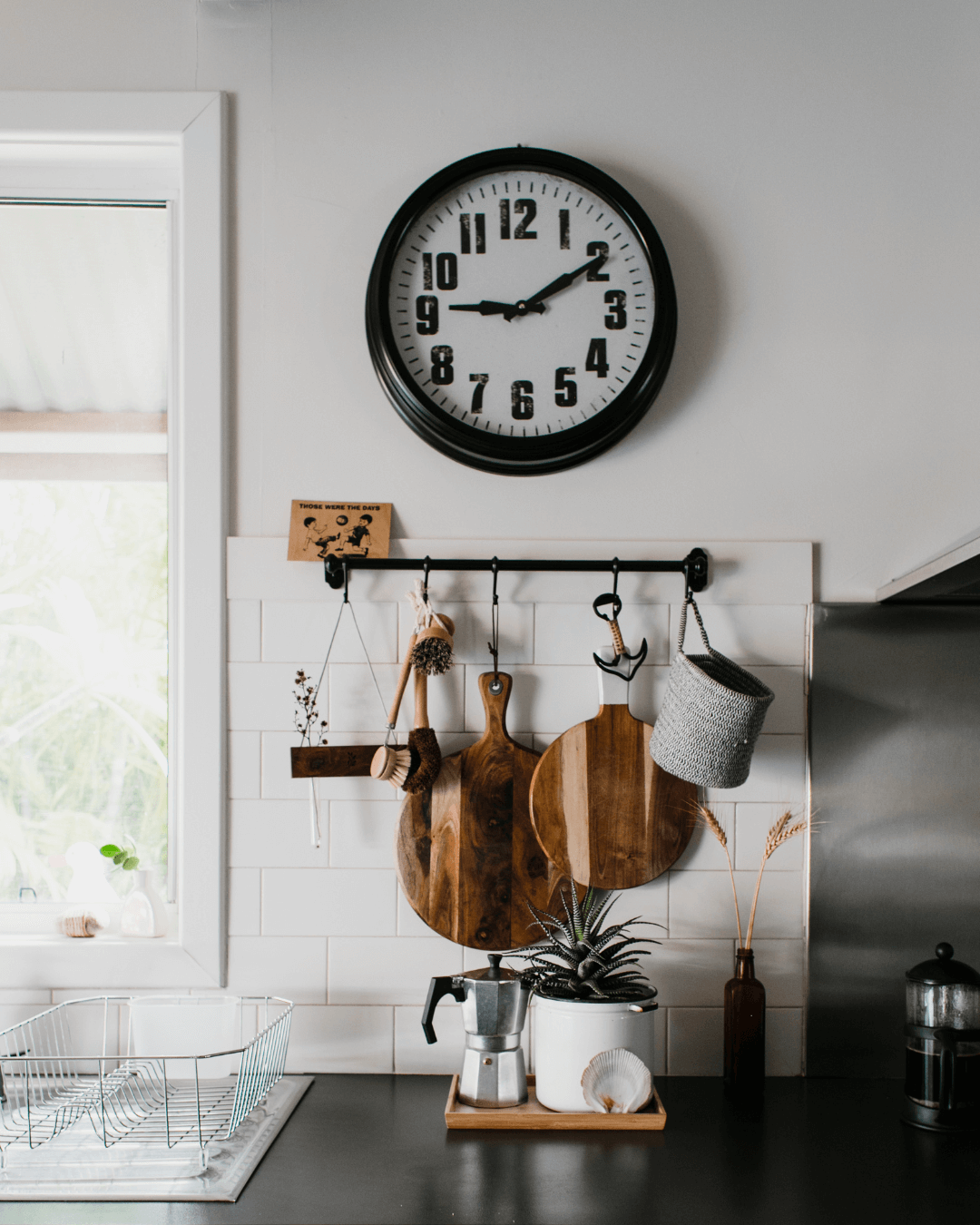
Your McLean Kitchen, Reimagined
The heart of any home is often the kitchen, a space for culinary creation, family gatherings, and daily routines. For many homeowners in McLean, however, the reality of a compact kitchen can present daily challenges. Limited counter space, cramped cabinetry, and a less-than-ideal layout can transform this central hub into a source of frustration rather than joy. Yet, the dream of a more spacious, functional, and aesthetically pleasing kitchen doesn’t always require costly structural changes or moving walls. This article delves into ingenious secrets for maximizing the potential of your existing McLean kitchen, revealing how thoughtful design, smart storage, and strategic choices can unlock surprising amounts of usable space without a single wall being demolished.
Table of Contents
The Challenge of Small Kitchens in McLean Homes
McLean, Virginia, known for its beautiful homes and discerning residents, often features properties with charming architectural details but, understandably, sometimes limited kitchen footprints. Homeowners frequently grapple with a lack of essential space: insufficient room for meal preparation, cabinets that overflow with seldom-used items, and a general feeling of being cramped. This spatial constraint can impact daily life, making cooking a chore and entertaining a challenge. The desire for an updated, more functional kitchen is strong, but the prospect of major renovations, involving structural changes, can be daunting due to cost, disruption, and complexity.
Our Promise: More Space, No Structural Changes
This guide is crafted with a singular purpose: to empower McLean homeowners to reclaim and reimagine their kitchens without the expense, hassle, and disruption of moving walls or undertaking significant structural renovations. We believe that by focusing on clever design principles, innovative storage solutions, and strategic material choices, you can achieve a dramatically more spacious and functional kitchen. Our promise is to reveal practical, actionable secrets that unlock hidden potential within your current footprint, making your kitchen a more enjoyable and efficient space.
What You’ll Discover: Ingenious Secrets for Maximizing Your Current Footprint
Prepare to transform your understanding of what’s possible in a small kitchen. You’ll discover how to harness the power of light and color to create an illusion of grandeur, master your existing layout for optimal flow and functionality, and implement storage solutions that make every inch count. We will also explore the impact of smart appliance and countertop choices, and how thoughtful finishing touches can elevate the entire space. These secrets are designed to be implementable, offering tangible improvements that will make your McLean kitchen feel significantly larger and more inviting.
Secret #1: The Illusion of Grandeur – Harnessing Light, Color, and Reflection
Creating the perception of more space is often as effective as gaining it physically. This secret focuses on visual strategies that can dramatically expand the feeling of your kitchen, making it appear brighter, airier, and more open.
Light & Bright: The Foundation of Expansive Space
Ample lighting is paramount in a small kitchen. Maximizing natural light by keeping windows unobstructed and using light-filtering treatments can make a significant difference. Supplement this with strategic artificial lighting. Recessed lighting throughout the kitchen ensures consistent, even illumination without taking up visual or physical space. Under-cabinet lighting is crucial for task areas, casting a gentle glow on countertops, making meal prep safer and more comfortable while also adding depth. Consider the color temperature of your bulbs; cooler, brighter whites can enhance the perception of spaciousness, while warmer tones can create coziness.
The Power of a Lighter Color Palette
Colors have a profound psychological effect on how we perceive a space. Lighter, neutral colors on walls, cabinetry, and backsplashes are your best allies in making a small kitchen feel larger. Whites, creams, soft grays, and pale pastels reflect more light, visually pushing walls outward and creating an open, airy atmosphere. If you’re considering new cabinetry or a refresh of existing ones, opting for lighter finishes can transform the entire kitchen. Even a two-tone approach, with lighter uppers and slightly darker lowers, can add depth without sacrificing the sense of expansion.
Reflective Surfaces: Bouncing Light and Expanding Vision
Incorporating reflective surfaces is a classic design trick for enhancing space. Glossy finishes on cabinet doors, polished countertops, and reflective tiles for your backsplash can bounce light around the room, making it feel more expansive and dynamic. Mirrors, strategically placed, can create the illusion of greater depth and openness. Even simple elements like stainless steel appliances can contribute to this reflective quality, adding a modern sheen that enhances the perception of space.
Secret #2: Mastering Your Existing Layout – Flow, Zones, and Decluttering Genius
Before diving into storage or aesthetics, optimizing your current layout and embracing decluttering are foundational steps that amplify the impact of other space-saving strategies.
Optimizing Your Current Floor Plan for Maximum Flow
A well-designed layout ensures smooth movement and efficient workflow. Consider the classic kitchen triangle – the imaginary line connecting your sink, refrigerator, and stove. Optimizing this can reduce wasted steps and make cooking more enjoyable. Even in a small kitchen, creating distinct zones for prep, cooking, and cleaning can bring order. Think about how you use your kitchen daily and arrange existing elements to support those activities. Continuity in flooring from adjacent rooms can also visually extend the kitchen’s space.
The Art of Strategic Decluttering and Minimalism
Perhaps the most powerful tool for creating space is simply removing what you don’t need. Embrace a minimalist approach by ruthlessly decluttering your kitchen. Go through cabinets and drawers, keeping only essential items or those used regularly. Consider the “KonMari” method or similar approaches to decluttering by category. Maintaining clear countertops is crucial; only essential items should have a permanent spot. This commitment to minimalism frees up both physical and visual space, making your kitchen feel instantly larger and more serene.
Unlocking Hidden Potentials in Layout Improvements
Even without moving walls, small layout adjustments can make a significant difference. This could involve reconfiguring a cabinet door swing to improve traffic flow, ensuring there’s adequate clearance around appliances, or strategically placing frequently used items within easy reach. Sometimes, simply repositioning a small appliance or decluttering a specific “junk drawer” can unlock a surprising amount of usable space and improve the overall functionality of your layout.
Secret #3: Ingenious Storage Solutions – Every Inch Counts
When physical space is limited, maximizing the storage within your existing cabinetry and walls becomes paramount. This secret focuses on leveraging every available nook and cranny.
Vertical Power: Reaching for the Sky
The untapped potential in vertical space is immense. Install taller cabinets that extend to the ceiling, as this draws the eye upward and provides significant storage for less frequently used items. Open shelving can display attractive items and make the kitchen feel more open, but be mindful of keeping them tidy. Wall-mounted solutions like pot racks, magnetic knife strips, and spice racks free up valuable counter and drawer space, keeping essential tools within easy reach.
Smart Storage Within Your Cabinets and Drawers
The interior of your cabinets and drawers is a goldmine for organization. Utilize drawer dividers to keep utensils and gadgets sorted. Pull-out shelves in lower cabinets make accessing items at the back effortless. Lazy Susans are perfect for corner cabinets or pantry shelves, allowing you to easily see and reach all items. Tiered drawers or organizers can maximize the space within a single drawer, and spice drawer inserts keep your seasonings neatly arrayed and accessible.
Multi-Functional Furniture and Fixtures
In a small kitchen, elements that serve multiple purposes are invaluable. Consider furniture that can be folded or tucked away, such as a drop-leaf table or compact bar stools that slide neatly under an island overhang or counter. Integrated cutting boards that fit over the sink can expand your prep area. Nesting bowls and stackable containers save precious cabinet space. Every piece of furniture or fixture should be evaluated for its potential to perform more than one function.
Secret #4: Strategic Appliance & Countertop Choices for Small Spaces
The selection of appliances and the utilization of countertop space significantly impact the functionality and perceived size of your kitchen.
The Compact Appliance Advantage
Choosing appropriately sized appliances can free up considerable space. Opt for compact refrigerators, slim-profile dishwashers, or 24-inch ranges if a full-size model isn’t essential. Smaller, multi-functional appliances like a high-quality toaster oven that can bake, broil, and toast can often replace larger, single-function appliances. The US market for household kitchen appliances is expected to grow, illustrating sustained demand for efficient and appropriately sized options.
Maximizing Usable Counter Space
Countertops are prime real estate in any kitchen. Integrated sinks, which eliminate the lip found on drop-in sinks, provide a more seamless and extended countertop surface. Avoid dedicating valuable counter space to appliances that can be stored away when not in use. If possible, opt for durable, easy-to-clean countertop materials that can withstand daily use without requiring excessive maintenance. When planning any kitchen remodeling, keeping countertops clear should be a priority.
Secret #5: Thoughtful Touches & Decor – The Finishing Secrets
The final details can significantly enhance the overall perception of space and style in your kitchen, creating a cohesive and inviting atmosphere.
Hardware: The Small Details That Make a Big Impact
The hardware on your cabinets and drawers might seem minor, but it plays a crucial role in the overall aesthetic. Sleek, minimalist hardware in finishes like brushed nickel, chrome, or matte black can contribute to a clean, uncluttered look. Avoid ornate or oversized hardware, which can make the cabinetry feel heavy and detract from the sense of space.
Visually Expanding with Decor
Decor in a small kitchen should be chosen thoughtfully. Opt for minimalist decor that adds personality without overwhelming the space. Small, vibrant plants can bring life to a windowsill. Carefully selected artwork can add a focal point. The backsplash is an excellent opportunity to add visual interest; consider light-colored tiles or those with a subtle reflective quality to enhance the sense of space.
Integrating Seating Solutions
If your kitchen allows, consider integrated seating. A small island with an overhang can provide casual dining space with stools that tuck away neatly. A narrow, built-in bench against a wall can offer seating without taking up as much room as chairs. Fold-down tables can offer extra dining or prep space when needed and disappear when not in use.
Bringing It All Together for Your McLean Home
The culmination of these secrets lies in creating a kitchen that is not only more spacious and functional but also perfectly suited to your lifestyle and the unique charm of your McLean home.
Creating a Cohesive Look that Reflects McLean Style
McLean homes often boast a blend of classic and contemporary aesthetics. When implementing these space-saving strategies, consider how they align with your home’s existing style. Lighter colors and clean lines can complement traditional architecture just as well as modern designs. The goal is to create a kitchen that feels like a natural extension of your home, enhancing its overall appeal. For homeowners looking to enhance their property, minor kitchen renovations can yield a remarkable return on investment, approximately 96% in 2024.
Lifestyle Integration: How These Secrets Enhance Your Family Life
A well-organized and spacious-feeling kitchen can significantly improve daily life. It reduces stress, makes cooking more enjoyable, and provides a more comfortable environment for family interactions. Whether it’s a busy morning routine, preparing a family dinner, or hosting guests, a functional small kitchen frees up mental energy and physical space, allowing you to focus on what truly matters: connecting with loved ones. For veterans who may value efficiency and well-designed spaces, these principles can offer a practical advantage.
Your Expanded McLean Kitchen Awaits
Transforming a small kitchen into a seemingly expansive and highly functional space is well within reach, even without knocking down walls. By embracing the illusion of grandeur through light, color, and reflection, mastering your existing layout, implementing ingenious storage solutions, making smart appliance and countertop choices, and attending to the finer details, you can unlock surprising amounts of space and enhance your daily life. These strategies transform a potential point of frustration into a source of pride and enjoyment within your McLean home. Remember, according to This Old Home, 51% of homeowners planned to remodel their kitchens in 2025, a testament to the enduring importance of this central living area.
Unlocking Hidden Potential Without Moving a Single Wall
You’ve learned how to leverage light and a brighter color palette to create an airy feel, utilize reflective surfaces to bounce light and expand vision, and declutter strategically for maximum efficiency. We’ve explored how optimizing your kitchen layout and implementing smart, vertical, and internal storage solutions can make every inch count. Furthermore, the impact of compact appliances and maximizing countertop usability has been highlighted, alongside the finishing touches that tie the entire space together. These secrets offer a pathway to a more enjoyable, functional, and spacious kitchen, perfectly tailored to your McLean home, proving that significant transformation is possible with thoughtful planning and creativity, not demolition.
Ready to bring these ideas to life in your own kitchen? Contact Rosewood Building and Design today to schedule a consultation and discover how we can transform your space without the hassle of a full renovation. Let’s create a kitchen that works beautifully for your lifestyle.