

The Rosewood Edit
Design inspiration, renovation advice, and expert perspective
Falls Church Kitchen Remodel Budget: A Complete Cost Breakdown for 2026
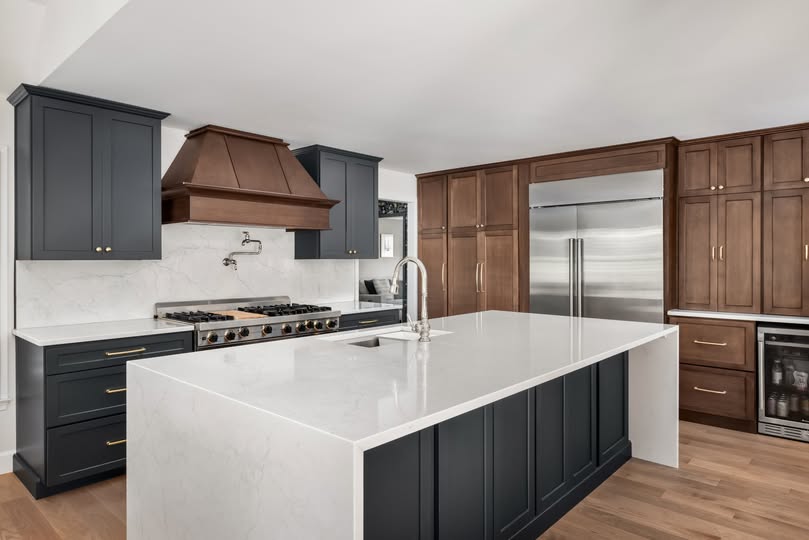
A kitchen remodel is more than just an aesthetic upgrade; it’s a strategic investment in your home’s functionality, comfort, and overall value. For residents of Falls Church, Virginia, undertaking such a transformative project in 2026 requires a nuanced understanding of local market dynamics and a meticulously planned budget. The prospect of reimagining the heart of your home can be exhilarating, but the financial realities of renovating in Northern Virginia, a region known for its premium real estate and services, can present a significant challenge. This comprehensive guide is designed to break down the anticipated costs for a Falls Church kitchen remodel in 2026, offering clarity and strategic insights to help you navigate the process with confidence and achieve your dream kitchen without unnecessary financial strain.
Table of Contents
The Heart of Your Home: Why a Falls Church Kitchen Remodel Matters in 2026
The kitchen has evolved dramatically from a purely utilitarian space to a central hub for modern living. It’s where families gather, meals are prepared and shared, remote work often takes place, and social entertaining unfolds. In a desirable and competitive locale like Falls Church, Virginia, a well-designed, beautiful, and highly functional kitchen not only significantly enhances daily living but also acts as a powerful asset in boosting your property’s appeal and market value. A successful kitchen remodel can redefine your lifestyle and provide lasting enjoyment.
Investing in Your Falls Church Home
A kitchen remodel stands out as one of the most impactful home improvement projects, consistently delivering both immediate lifestyle enhancements and robust long-term financial returns. In the dynamic Northern Virginia real estate market, a modern, efficient, and aesthetically pleasing kitchen can be a critical differentiator. It can significantly attract potential buyers, command a higher resale price, and shorten time on the market. This investment extends beyond mere aesthetics; it’s about improving the core usability, comfort, and enjoyment of the space you utilize most in your home.
The Unique Challenge of Budgeting for Homeowners in Northern Virginia (NOVA)
Remodeling costs in Falls Church are notably higher than the national average, driven by the region’s premium on skilled labor, materials, and overhead costs.
Northern Virginia, and by extension Falls Church, presents a distinct economic landscape for home renovations, often posing unique challenges for homeowners. The region’s proximity to Washington D.C., its robust economy, and the high demand for skilled labor contribute to costs that are consistently higher than national averages. Factors such as the premium placed on skilled tradespeople, the cost of high-quality building materials, and often complex permitting processes all play a significant role in escalating project expenses. Simply expecting figures comparable to national averages will very likely lead to budget shortfalls. As industry experts highlight, the average mid-range kitchen remodeling project in Virginia can cost more than the national average, with high-demand areas like Northern Virginia experiencing even higher premiums. This reality necessitates a hyper-local approach to budgeting.
What This Comprehensive Falls Church Cost Breakdown Will Cover
This guide aims to demystify the budgeting process for your Falls Church kitchen renovation. We will provide a detailed breakdown of projected costs for 2026 across all key categories, from the foundational cabinetry and elegant countertops to essential appliances and skilled labor. Furthermore, we will delve into Falls Church-specific considerations, including navigating building codes and the unique challenges presented by older homes, and offer strategic advice for smart budgeting to maximize your investment and help you achieve your dream kitchen without overspending.
Understanding Your Falls Church Kitchen Remodel Budget: Key Factors for 2026
Successfully budgeting for a kitchen remodel in Falls Church begins with a clear understanding of the fundamental elements that will influence the final cost. The overall scope of your project, the specific material choices you make, and the existing condition of your home are paramount considerations that will dictate your financial outlay. A well-defined scope is the first step toward an accurate budget.
Primary Cost Drivers in the Falls Church Market
The most significant factors influencing your kitchen remodel budget in Falls Church are unequivocally labor costs and the cost of materials. Due to the exceptionally high demand for skilled tradespeople in Northern Virginia, labor constitutes a substantial portion of the overall project expense. Additionally, the complexity of your project scope, whether it involves simple cosmetic updates or significant structural changes, will directly impact the total Kitchen Remodel Cost. Understanding these primary drivers is the first step to effective planning.
Defining Your Project Scope: Falls Church Remodel Tiers and Their Costs
Kitchen remodels can generally be categorized into three distinct tiers, each with a corresponding price range, particularly within the Falls Church market. Understanding these tiers can help you align your vision with your budget:
Minor Refresh (Budget: $15,000 – $40,000): This tier typically involves cosmetic updates. Think new paint, updated hardware on existing kitchen cabinet doors, a refreshed tile backsplash, and perhaps replacing a few dated kitchen appliances. Structural changes are minimal or non-existent. This is ideal for a quick refresh that enhances appeal without a complete overhaul.
Major Remodel (Budget: $50,000 – $125,000): This level usually encompasses replacing kitchen cabinetry, countertop materials, flooring selection, and all major kitchen appliance units. It may also involve minor kitchen layout adjustments, updating lighting fixtures, and replacing plumbing fixtures. This aligns with what many experts consider a full kitchen renovation, with resale value estimates often showing strong returns. As highlighted by industry data, mid-range Virginia kitchen remodeling projects can cost between $55,000-$85,000, which is 15-25% higher than national averages.
Luxury/High-End Remodel (Budget: $125,000+): This tier represents a complete kitchen transformation, often involving extensive structural changes, custom kitchen layout designs, premium materials, high-end kitchen appliance packages with advanced smart technology, and sophisticated lighting fixture installations. It signifies a top-tier kitchen remodel aimed at maximizing both daily enjoyment and long-term home value. For an upscale remodel in this category, experts advise spending around 5 to 10% of your house’s value.
Falls Church Kitchen Remodel Cost Breakdown by Category (2026 Projections)
This section provides a detailed look at the anticipated costs for each essential component of a kitchen remodel in Falls Church for 2026. These figures are informed estimates and can vary significantly based on your specific choices, material selections, and the contractor you engage.
Cabinetry: The Foundation of Your Kitchen’s Style and Function
Kitchen cabinet selection is often the single largest expense in a kitchen remodel, typically accounting for 25-35% of the total budget. The choices you make here will dramatically influence both the aesthetic and practical aspects of your kitchen. For quality cabinets, homeowners should expect plywood boxes, soft-close doors and soft-close drawers.
Stock Cabinetry: The most budget-friendly option, offering a standard range of sizes and styles. Expect to spend approximately $10,000-$20,000.
Semi-Custom Cabinets: Provides more flexibility in style, size, and finish options, with moderate customization capabilities. Costs generally range from $20,000-$40,000. These offer a good balance for many homeowners.
Custom Cabinetry: Offers complete design flexibility, allowing for bespoke dimensions, materials, and finishes tailored precisely to your kitchen layout. This is the most expensive option, often ranging from $50,000-$100,000+, especially for intricate designs and premium hardwoods. The popularity of specific colors like green and blue for cabinets in 2026 can influence design choices and potentially material sourcing costs.
Countertops: Material Choices and Local Pricing
The selection of countertop materials greatly impacts both the aesthetic appeal and the overall budget of your kitchen. In Falls Church, popular and practical choices include a range of options, each with its own price point and characteristics. Rosewood partners with exceptional local fabricators that offer a high level of craftsmanship and extensive showrooms/selection.
Laminate: The most affordable option, typically starting around $25-$75 per square foot installed. It offers a wide variety of patterns and colors but can be less durable than other materials.
Solid Surface (e.g., Corian): A mid-range option, generally costing $50-$125 per square foot installed. It is seamless, non-porous, and repairable.
Granite: A durable and classic choice, offering unique natural patterns. Costs range from $75-$200 per square foot installed, depending on the specific slab and complexity of fabrication.
Quartz: Highly sought after for its exceptional durability, non-porosity, and aesthetic versatility. Quartz countertops generally cost $75-$200 per square foot installed, making them a popular choice for busy kitchens.
Porcelain/Ceramic: A durable and design-forward option, typically ranging from $75–$200 per square foot installed, depending on slab thickness, edge detailing, and fabrication complexity. Porcelain is non-porous, highly resistant to heat, scratches, and staining, and can convincingly mimic natural stone or concrete. Ceramic options are generally thinner and slightly more budget-friendly but may be less impact-resistant than full-thickness porcelain slabs. Both offer excellent performance with minimal maintenance.
Marble/Butcher Block: These materials can be more expensive and may require more specialized maintenance. Marble is luxurious but porous and prone to staining, while butcher block offers a warm, natural look but needs regular sealing.
Kitchen Appliances: Modernizing Your Falls Church Kitchen
Upgrading your kitchen appliance suite can significantly enhance the functionality, energy efficiency, and overall appeal of your kitchen. Costs vary widely based on brand reputation, specific features, finishes, and whether you opt for a coordinated package.
Budget-Friendly: Basic models from reputable brands offering reliable performance, typically ranging from $5,000–$10,000 for a full kitchen appliance package installed (range, refrigerator, dishwasher, microwave). A practical choice for rental properties or cost-conscious remodels.
Mid-Range: Feature-rich, energy-efficient appliances from popular manufacturers, often including stainless steel finishes and advanced cooking options. Expect $10,000–$20,000 installed for a full package, depending on size and features.
High-End/Professional-Grade: Premium brands offering cutting-edge smart technology, superior performance, advanced customization, and durable construction. These packages generally range from $20,000–$60,000+ installed, depending on brand, panel integration, and specialty appliances (e.g., built-in refrigeration, steam ovens, wine storage). Careful coordination is required to properly integrate these into cabinetry and overall kitchen design.
Labor and Professional Installation Fees in Falls Church
This is a critical component of your kitchen remodel budget, especially in a high-cost region like Northern Virginia. It includes general contractor fees, project management, and the specialized labor costs for various trades. The premium placed on skilled professionals in metropolitan areas like Falls Church means these fees are substantial.
General Contractor: Typically charges 10-20% of the total project cost for oversight, coordination, and sourcing.
Skilled Trades (Plumbers, Electricians, Carpenters, Tilers): Hourly rates and project fees can be significant. For example, rough carpentry can cost $70-$120 per hour, while plumbing and electrical services often command similar rates.
Demolition and Disposal: The cost of safely removing old fixtures, cabinets, and debris.
Painters: Professional painting costs vary based on surface condition, prep requirements, and level of finish. Interior painting is typically priced at $3–$6 per square foot of floor area or $50–$90 per hour, depending on complexity. Detailed trim work, cabinetry painting, extensive drywall repair, or specialty finishes (sprayed lacquer, fine-finish work, high-gloss applications) can increase costs significantly due to the added labor and skill required.
Given the competitive local market, securing experienced and reliable professionals is key. Expect to pay a premium for top-tier labor in Falls Church, as this ensures quality workmanship and adherence to building codes.
Estimated Cost: $10,000 – $50,000+ (This figure is highly variable and depends significantly on the project complexity and the extent of structural changes involved.)
Flooring Selection and Installation Costs
Your choice of flooring selection impacts durability, maintenance requirements, and the overall aesthetic of your kitchen. For Falls Church kitchens, consider these popular options:
Luxury Vinyl Plank (LVP): An increasingly popular choice due to its durability, water resistance, and ability to mimic the look of wood or tile at a more accessible price point. Costs typically range from $5-$10 per square foot installed.
Tile (Ceramic/Porcelain): Versatile, water-resistant, and available in a vast array of styles, colors, and patterns. Prices range from $8-$20+ per square foot installed, with porcelain tile often being more durable and premium.
Hardwood: Offers classic warmth and timeless appeal but can be more expensive and susceptible to moisture damage in a kitchen environment. Costs range from $7-$20+ per square foot installed.
Lighting, Electrical, and Plumbing Fixtures
Updated lighting fixtures not only improve the ambiance and functionality of your kitchen but can also enhance safety. Extensive electrical and plumbing work can become significant cost factors, especially if you are relocating existing fixtures or upgrading outdated systems to meet modern demands and energy efficiency standards. This can include new circuits for modern appliances, rewiring for improved safety, relocating pipes for a new kitchen layout, or installing new sinks and faucets. The cost for Recessed Lighting can vary based on the number of fixtures and the complexity of installation.
Estimated Cost: $2,000 – $10,000+ (Higher if significant re-piping or re-wiring is required.)
Backsplash and Wall Finishes
These elements add personality, style, and a finishing touch to your kitchen design.
Tile Backsplash: Costs vary widely based on the material of the tile (e.g., ceramic, glass, stone), its size, and the complexity of the installation pattern.
Paint: The most cost-effective wall finish, offering a fresh look with a wide color palette.
Specialty Finishes: Options like high-end wallpaper, textured plaster, or decorative paneling can significantly increase costs but offer unique aesthetic appeal.
Estimated Cost: $500 – $3,000+ (Depending on the scale and material of the backsplash.)
Design Fees and Consultations
While not always mandatory, engaging professional design experts for design consultations can prevent costly mistakes, ensure a cohesive vision, and optimize your kitchen layout. Fees can be structured hourly, as a flat rate, or as a percentage of the total project cost. Investing in design guidance upfront, particularly for more complex remodels, can save money in the long run by preventing costly changes during construction. A design deposit is typically required to initiate these services.
Estimated Cost: $0 – $5,000+ (Depending on the scope of design services required.)
Falls Church-Specific Cost Considerations and “Hidden” Expenses
Beyond the primary categories, several local and practical factors can significantly impact your kitchen remodel budget in Falls Church, often emerging as unexpected expenses if not planned for.
Navigating Building Permits and Regulations in Falls Church & Fairfax County
Most significant kitchen renovations will require building permits from Fairfax County. The cost and complexity of the permitting processes can add both time and expense to your home improvement projects. Obtaining the correct permits ensures your renovation meets safety building codes and standards. Delays in inspections or unpermitted work can lead to costly rework or fines. The DC Metro area, including Falls Church, is known for its rigorous building codes and permitting processes, which can add complexity and expense. The Virginia Uniform Statewide Building Code (VUSBC) mandates these requirements for safety and compliance.
Estimated Cost: $500 – $2,500+ (Depending on project scope and local fees.)
The Impact of Older Homes in Falls Church on Remodel Budgets
Falls Church has a significant number of homes built in the mid-to-late 20th century. Renovating older properties often uncovers unexpected issues that can substantially increase your budget. Original plumbing and electrical systems may be outdated and require complete replacement to meet modern safety standards and accommodate new appliances. Structural changes might be required to address sagging floors or outdated supports, potentially impacting the home’s structural integrity. Furthermore, the presence of lead paint or asbestos in older materials could necessitate specialized, costly remediation processes by certified professionals. These unforeseen circumstances are a primary reason for allocating a robust contingency fund.
Estimated Cost: Highly variable, budget 10-20% contingency
The All-Important Contingency Fund (10-20% for Unforeseen Costs)
Given the potential for surprises, especially in older homes or during complex renovations, a contingency fund is non-negotiable for any kitchen renovation. This buffer, typically set at 10-20% of your total estimated budget, is crucial for covering unexpected repairs, material substitutions, or minor scope adjustments that inevitably arise during a kitchen remodel project. It provides financial flexibility and peace of mind, preventing minor issues from derailing your entire kitchen transformation.
Estimated Cost: 10-20% of total estimated costs
Material Sourcing, Transportation, and Local Supplier Dynamics
The cost of materials can fluctuate due to market conditions and demand. While national price trends exist, local availability, supplier relationships, and material transportation fees can add to the expense. Sourcing materials from local Northern Virginia vendors can sometimes streamline delivery and support the local economy, but it’s essential to compare pricing carefully across multiple suppliers. Building material prices have seen increases, with general building material prices up 3.5% year-over-year, impacting overall project expenses.
Estimated Cost: Varies with material choices and delivery logistics.
Smart Budgeting and Maximizing Value for Your Falls Church Kitchen Remodel
Achieving your dream kitchen within budget in Falls Church is absolutely possible with strategic planning and informed decision-making. It’s about making smart choices that align your desires with financial realities.
Prioritizing for Return on Investment (ROI) and Home Value in Falls Church
When planning your kitchen remodel, it’s crucial to consider which upgrades will provide the greatest return on investment (ROI) and enhance your home value. High-impact areas like custom cabinetry, durable countertop materials, and modern kitchen appliance packages often offer strong ROI. In the competitive DC Metro area, kitchen remodels can recoup an impressive 60-70% of project costs at resale. Focusing on timeless design, quality cabinet options, and durable materials that align with current Kitchen Trends will appeal to future buyers and enhance your home’s long-term marketability and intrinsic value.
Strategic Material Choices: Quality vs. Cost-Effectiveness
Balancing your desire for premium finishes with your budget is key to a successful remodel. For example, while high-end granite or marble can be stunning, quartz countertops offer comparable beauty and superior durability with easier maintenance at a similar or sometimes lower price point. Consider durable, stylish Luxury Vinyl Plank for flooring in high-traffic areas or explore refacing cabinets or cabinet refacing if your existing kitchen cabinet boxes are structurally sound. This approach can significantly reduce costs while still achieving a refreshed look. Exploring options like laminate countertops for less critical areas can also offer substantial savings.
Working with Falls Church Design/Build Firms and Contractors
Engaging reputable design-build firms or general contractors in Falls Church can streamline the project and often provide better cost control through their established relationships with trusted suppliers and subcontractors. A design-build process integrates design and construction, which can lead to more accurate budgeting from the outset. Transparent communication about your budget from the very beginning is crucial for establishing realistic expectations and ensuring the contractor can effectively manage the remodeling process.
DIY vs. Professional Installation: Knowing When to Delegate
While DIY can undoubtedly save on labor costs, certain aspects of a kitchen renovation demand professional expertise. Electrical and plumbing work, in particular, require licensed professionals to ensure safety, compliance with building codes, and proper functionality. Improper DIY installations can lead to costly repairs, safety hazards, and potential issues with insurance or resale value. Focus your DIY efforts on less critical tasks like painting, demolition, or installing cabinet hardware if you have the skills and time. However, for most integral components of a kitchen remodel, professional installation is a worthwhile investment.
Exploring Financing Options for Your Kitchen Renovation
If your budget requires it, explore various financing options available for your kitchen renovation. These can include home equity loans or lines of credit (HELOCs), personal loans, or contractor-specific financing programs. Understanding the interest rates, repayment terms, and fees associated with each option will help you make an informed financial decision that aligns with your overall financial plan.
Your Falls Church Dream Kitchen Awaits in 2026
Embarking on a kitchen remodel in Falls Church, Virginia, is a significant undertaking, but with careful planning, a clear understanding of the costs involved, and strategic decision-making, you can create a beautiful, highly functional, and valuable addition to your home. The Average Costs, projections, and considerations outlined in this guide provide a solid foundation for establishing a realistic budget and navigating the exciting journey toward your dream kitchen.
Key Takeaways for a Successful Kitchen Remodel Project
Prioritize Local Costs: Understand that Northern Virginia’s market commands higher prices for labor costs and premium materials. Budget accordingly.
Define Your Scope Clearly: Whether it’s a minor refresh or a major overhaul involving structural changes, a well-defined project scope is crucial for accurate budgeting.
Budget for the Unexpected: Always include a contingency fund (10-20%) for unforeseen issues, especially when dealing with older homes or complex kitchen layout modifications.
Invest Wisely: Focus on high-ROI elements like custom cabinetry, quality countertop materials, and modern kitchen appliance packages. Choose durable materials that will stand the test of time.
Consult Professionals: Engage with experienced design experts, as well as reputable general contractors to ensure a smooth remodeling process and adherence to building codes. Their expertise, from space planning to project management, is invaluable. Rosewood Building and Design offers expertise in all of these areas to give you peace of mind during your remodel.
Embrace Energy Efficiency: Consider energy efficiency upgrades in appliances and lighting to reduce long-term operating costs.
Plan for Permitting: Factor in the time and cost associated with obtaining necessary building permits in Fairfax County.
By arming yourself with this detailed cost breakdown and strategic advice, you are well-equipped to navigate your Falls Church kitchen remodel project in 2026, transforming your vision into a tangible, beautiful, and valuable reality. Ready to start planning? Schedule your free consultation today with Rosewood.