

The Rosewood Edit
Design inspiration, renovation advice, and expert perspective
Northern Virginia Bathroom Remodel: Avoid These 7 Costly Contractor & Design Blunders
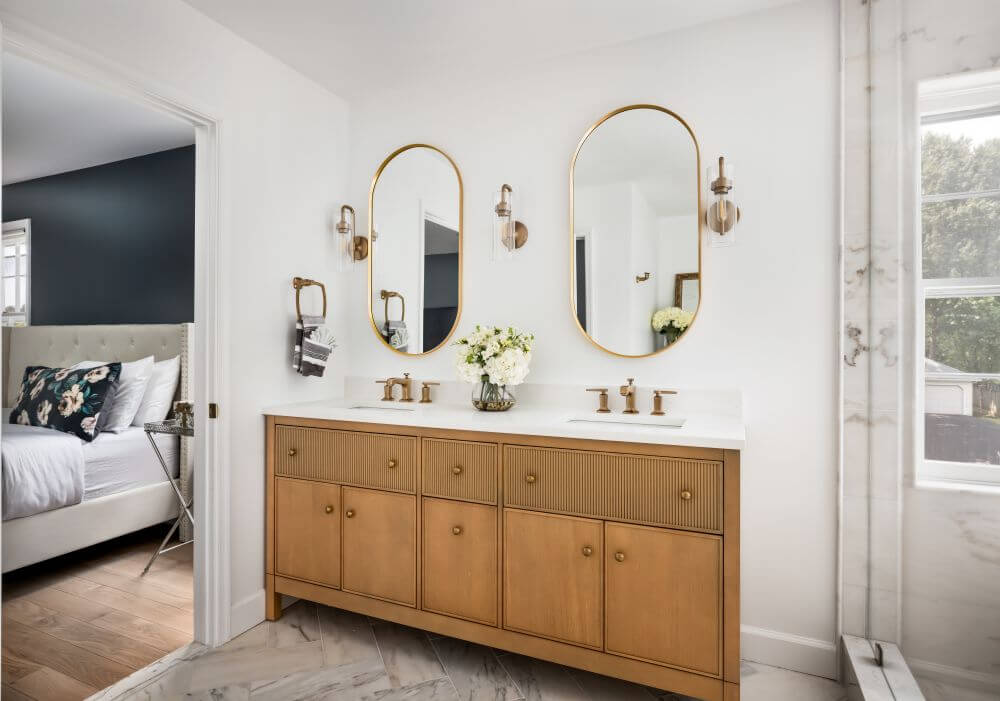
A bathroom remodel is a significant investment, promising to elevate your home’s comfort, functionality, and aesthetic appeal. For homeowners in Northern Virginia, the allure of a modern, spa-like bathroom is strong, driven by the region’s vibrant market and high property values. However, the path to renovation is often paved with potential pitfalls, especially when navigating the complexities of contractor selection, design choices, and local market nuances. Failing to plan or execute properly can transform your dream project into a costly nightmare.
This guide is designed to equip Northern Virginia homeowners with the knowledge to avoid seven critical blunders that can significantly inflate your budget, derail your timeline, and compromise the quality of your renovation. By understanding these common mistakes and learning how to sidestep them, you can ensure your bathroom remodeling project in Northern Virginia delivers the beautiful, functional space you envision and adds lasting value to your home.
Table of Contents
The Allure of a Modern Bathroom in NoVA Homes
In Northern Virginia, where homes often blend historic charm with modern living, a well-executed bathroom remodel is more than just an upgrade; it’s an enhancement of lifestyle and a smart investment. Homeowners seek retreats that offer not only aesthetic beauty but also superior functionality, efficient storage, and a sense of luxury. From updated fixtures and premium tile work to improved lighting and ventilation, the desire is for a space that reflects personal style while meeting the demands of busy households. A thoughtfully designed bathroom can increase a home’s appeal and resale value, making the renovation project a worthwhile endeavor.
Why Blunders Are Especially Costly in the Northern Virginia Market
The stakes are uniquely high for bathroom renovations in Northern Virginia. This region boasts one of the nation’s most robust real estate markets, meaning that while home values are high, so are the costs associated with construction and labor. Higher material expenses, competitive demand for skilled contractors, stringent local building codes, and the prevalence of older homes with hidden infrastructure issues all contribute to a higher baseline cost for any renovation project. Consequently, a seemingly minor oversight or a poorly chosen contractor can lead to disproportionately large financial losses and significant delays, impacting not just the immediate project budget but also the long-term value and integrity of your Northern Virginia homes.
What You’ll Learn: 7 Critical Blunders to Steer Clear Of
To help you navigate this process without costly detours, we’ve identified seven critical blunders that frequently undermine Northern Virginia bathroom remodels. We will delve into each one, exploring how contractor missteps and design flaws can lead to significant expenses and regret. Crucially, for each blunder, we will provide actionable strategies to ensure your project stays on track, within budget, and delivers the quality and functionality you expect.
Blunder 1: The “Blind Budget” Blunder – Underestimating True Project Scope and Hidden Costs
The most common and financially crippling mistake homeowners make is failing to establish a realistic budget that accounts for the full scope of their bathroom remodel. This “blind budget” blunder often stems from focusing too narrowly on initial estimates without digging into the details of materials, labor, unforeseen issues, and the specific cost factors prevalent in Northern Virginia.
Contractor-Related Budget Overruns: The Lure of the Low Bid
One significant contributor to budget overruns is the temptation to accept the lowest bid from a contractor. While saving money upfront is appealing, a significantly lower bid often signals compromises in quality, experience, or thoroughness. Contractors who underbid may cut corners on materials, skip crucial steps, or lack the expertise to handle complex aspects of the project, leading to costly repairs down the line. Furthermore, unclear contracts or a lack of detailed scope definition can result in “scope creep,” where additional tasks and expenses are added throughout the renovation without explicit homeowner approval or accurate forecasting.
Design Choices That Break the Bank: Overlooking the Details
Beyond contractor fees, design choices themselves can wreak havoc on a budget. Opting for high-end, custom materials without understanding their true cost, failing to factor in the expense of specialized tile installation, or overlooking the impact of fixture placement on plumbing complexity can quickly escalate expenses. Small details, such as the type of grout, the quality of shower doors, or the need for custom cabinetry, all add up. Without careful planning and a clear understanding of material lead times and installation requirements, homeowners can find themselves facing unexpected costs for elements they didn’t initially consider.
Northern Virginia’s Unique Cost Factors and the Importance of a Contingency Fund
Northern Virginia’s market presents specific challenges that exacerbate budget blunders. Higher labor rates, increased demand for skilled trades, and varying permit fees across different jurisdictions contribute to a higher cost of renovation compared to national averages. Moreover, many older homes in the region may hide structural issues, outdated plumbing, or inadequate electrical systems that require immediate, costly remediation once exposed during demolition. For these reasons, it is crucial to allocate a contingency fund of at least 15-20% of the total estimated project cost. This buffer is essential for addressing unforeseen problems, material price fluctuations, or necessary design adjustments that inevitably arise during the renovation of Northern Virginia homes.
How to Avoid This Blunder: Strategic Planning and Realistic Budgeting
To avoid the “Blind Budget” Blunder, comprehensive planning is paramount. Begin by researching current market rates for contractors and materials in Northern Virginia. Obtain detailed, itemized bids from at least three reputable contractors, ensuring they clearly outline the scope of work, materials to be used, and payment schedules. Discuss potential hidden costs associated with older homes with your contractor upfront. Always include a substantial contingency fund in your overall budget. This proactive approach ensures you are prepared for the realities of a Northern Virginia bathroom remodel and can make informed decisions without financial surprises.
Blunder 2: The “Trend-Chasing, Function-Ignoring” Design Blunder
A common pitfall in bathroom remodeling is prioritizing fleeting design trends over long-term functionality and practicality. While the aesthetic appeal of a modern bathroom is desirable, succumbing to every passing trend can lead to a space that is visually appealing but ultimately impractical, difficult to maintain, or ill-suited to your lifestyle and the unique needs of your Northern Virginia home.
The Pitfalls of Form Over Function: When Aesthetics Trump Practicality
Chasing the latest design fads can lead to choices that compromise daily use. For example, installing elaborate, hard-to-clean fixtures, opting for open shelving that requires constant tidying, or choosing materials that are prone to staining or wear in a high-moisture environment like a bathroom can quickly become a source of frustration. The true success of a bathroom remodel lies in its ability to enhance your lifestyle, providing comfort, efficiency, and ease of use for years to come. Functionality—including adequate lighting, effective ventilation, and smart storage solutions—should always be a co-equal consideration with aesthetics.
When Contractors Fail to Challenge Poor Design (or Lack Expertise)
A skilled contractor should not just execute a design but also offer professional insights and challenge potentially problematic choices. If a contractor readily agrees to a design that is impractical or technically difficult without offering alternatives, it could indicate a lack of experience or a reluctance to engage critically with the plan. This can lead to a beautiful-looking but poorly performing bathroom. Conversely, homeowners might select designs that clash with the existing structure of their Northern Virginia homes, leading to costly modifications.
Designing for Northern Virginia Lifestyles: Balancing Charm and Efficiency
Northern Virginia homeowners often live busy lives and require bathrooms that are both serene retreats and efficient workspaces. This means balancing a desire for elegant design with the practicalities of family use, guest accommodation, and maintenance. Consider the durability of materials like tile and countertops, the necessity for ample storage solutions to manage toiletries and towels, and the importance of good lighting for tasks like grooming. Designing with the long-term value and lifestyle needs of your specific home and family in mind, rather than just current trends, ensures a renovation that remains satisfying and functional.
How to Avoid This Blunder: Prioritizing Your Lifestyle and Long-Term Value
Before finalizing your design, create a detailed list of your functional needs and priorities. Think about how you use your bathroom daily and identify any pain points in your current setup. Discuss these needs with your designer and contractor, and actively seek their professional advice on how to achieve both aesthetic goals and optimal functionality. Consider the long-term value and maintenance implications of your material and design choices. A well-designed bathroom should enhance your life, not complicate it, making it a valuable asset to your Northern Virginia home for years to come.
Blunder 3: The “Misaligned Visions” Blunder – When Contractor Execution Doesn’t Match Design Intent
A significant cause of dissatisfaction in bathroom remodeling projects is when the executed renovation doesn’t align with the homeowner’s original vision or the design plans. This misalignment often stems from a breakdown in communication, a lack of detailed specifications, or the contractor’s inability to accurately translate design intent into tangible craftsmanship.
The Communication Breakdown: Gaps Between Design Plans and On-Site Reality
Misunderstandings are a primary driver of misaligned visions. If design plans are vague, lack specific details about materials, finishes, or placement, or if communication between the homeowner, designer, and contractor is infrequent or unclear, discrepancies are almost inevitable. This can manifest in incorrect tile patterns, ill-fitting fixtures, or finishes that don’t match the intended look. In Northern Virginia, where the expectation for quality and precision is high due to the competitive market and property values, such misalignments can be particularly disappointing.
The Contractor’s Role in Translating Vision into Craftsmanship
The contractor plays a crucial role as the bridge between the design concept and the physical reality of the finished bathroom. A competent contractor will meticulously review design plans, ask clarifying questions, and proactively identify potential challenges or ambiguities. They should be adept at translating detailed drawings and specifications into skilled execution. When a contractor fails to grasp the design intent, either due to lack of attention or inadequate skills, the result can be a deviation from the planned aesthetic or functional outcome.
Northern Virginia Expectations: The Demand for Precision and Quality
In a region like Northern Virginia, homeowners expect a high standard of craftsmanship and attention to detail. A successful bathroom remodel not only looks good but also reflects precision in every aspect, from the straightness of tile grout lines to the flawless finish of the vanity. When a contractor’s execution falls short of these expectations, it can lead to significant disappointment, even if the core design elements are present. This underscores the importance of selecting contractors with a proven track record for quality and meticulous work.
How to Avoid This Blunder: Detailed Plans and Transparent Communication
To prevent this blunder, ensure your design plans are as detailed as possible, including precise measurements, material specifications, color samples, and clear drawings. Establish a clear communication protocol with your contractor from the outset, including regular site visits and check-ins. Encourage your contractor to ask questions and voice any concerns about the design. Utilize a change order process for any approved modifications to ensure everyone is aware of and agrees to changes. This collaborative and transparent approach ensures the final bathroom closely matches your intended vision and meets Northern Virginia’s high-quality standards.
Blunder 4: The “Outdated Systems, Unseen Hazards” Blunder – Neglecting Plumbing, Electrical, and Structural Integrity
One of the most dangerous and costly blunders in a bathroom remodel is neglecting the underlying infrastructure – the plumbing, electrical systems, and structural integrity of the walls and floors. While aesthetics are important, overlooking these critical components can lead to significant hazards, expensive repairs, and serious damage to your home.
Ignoring Critical Infrastructure: A Recipe for Disaster
Bathrooms are wet environments, making functional and code-compliant plumbing essential. Old pipes can leak, leading to water damage, mold growth, and structural decay within the walls. Similarly, outdated electrical wiring may not be able to handle the demands of modern appliances and lighting, posing a fire risk. Furthermore, neglecting to assess the structural support for heavy tile, tubs, or vanities can lead to sagging floors or compromised walls. These unseen issues can fester and cause immense problems long after the cosmetic renovations are complete.
The Contractor’s Responsibility for Structural and System Integrity
A reputable contractor’s primary responsibility extends beyond cosmetic finishes to ensuring the safety and longevity of the entire bathroom. This includes a thorough assessment of existing plumbing and electrical systems, and structural elements before beginning the renovation. They should be knowledgeable about local building codes in Northern Virginia and recommend necessary upgrades or repairs to bring these systems up to standard. A contractor who overlooks these critical aspects is not only failing in their duty but is also setting the stage for future problems.
Northern Virginia’s Older Homes: Unique Challenges and Hidden Costs
Many homes in Northern Virginia are older, meaning they often contain original plumbing (like galvanized pipes) and electrical systems (like knob-and-tube wiring) that are no longer adequate or safe. Discovering these issues during a remodel is common and can significantly increase project time and budget. For instance, updating plumbing in an older home might require extensive work to reroute pipes within walls or subfloors, and electrical upgrades may necessitate new panel boxes or rewiring. Recognizing the potential for these hidden hazards is crucial for homeowners in the region.
How to Avoid This Blunder: Comprehensive Pre-Remodel Assessments and Expert Advice
Before commencing any work, insist on a thorough pre-remodel assessment by your contractor. This should include a detailed inspection of all plumbing, electrical, and structural components. Engage licensed plumbers and electricians if your contractor doesn’t have them on staff, and have them evaluate the existing systems. Understand the specific challenges common to older homes in Northern Virginia. Budget for potential upgrades to these critical systems as part of your overall renovation plan. Prioritizing these unseen elements ensures a safe, durable, and code-compliant bathroom that will last.
Blunder 5: The “Layout Lottery” Blunder – Squandering Space and Functionality Through Poor Planning
A bathroom’s layout is fundamental to its usability and efficiency. The “Layout Lottery” blunder occurs when homeowners and designers fail to optimize the available space, resulting in a cramped, awkward, or illogical flow that diminishes the functionality and enjoyment of the entire bathroom, regardless of how attractive the finishes are.
The Design Flaw: A Cramped or Illogical Bathroom Layout
Poor layout can manifest in several ways: insufficient clearance around fixtures, doors that swing into high-traffic areas, inadequate space for essential items like a toilet or shower, or an inefficient arrangement of sinks and storage. In smaller bathrooms, this is particularly critical. A poorly planned layout can make even the most luxurious materials feel confined and inconvenient. For instance, placing a vanity too close to a toilet or shower, or not allowing enough space for a towel rack, can severely impact daily use.
When the Contractor Can’t Fix a Bad Design (or Makes it Worse)
While contractors are skilled in execution, they cannot always rectify a fundamentally flawed design. If the initial layout is poorly conceived, the contractor’s efforts to install fixtures or build cabinets within that space might only exacerbate the problem, leading to compromises in functionality or aesthetics. In some cases, a contractor might suggest workarounds that are less than ideal, or they may lack the foresight to identify the layout issues during the planning phase.
Northern Virginia Realities: Making Every Square Foot Count
Many homes in Northern Virginia, particularly those in established neighborhoods or older communities, may have smaller or uniquely shaped bathrooms. In these situations, maximizing every square foot through intelligent layout planning is crucial. This involves carefully considering the placement of the toilet, sink, shower or tub, and any storage elements to create a sense of spaciousness and ensure comfortable movement. Efficient design can make a small bathroom feel significantly larger and more functional.
How to Avoid This Blunder: Meticulous Space Planning and 3D Visualization
To avoid the layout lottery, invest time in meticulous space planning. Measure your bathroom accurately and sketch out potential layouts, considering the dimensions of fixtures and the required clearances. Utilize 3D visualization tools or work with a designer who can create renderings that show how furniture, fixtures, and doors will fit within the space. Think about traffic flow, the placement of electrical outlets, and the accessibility of plumbing. A well-planned layout is the foundation for a functional and comfortable bathroom, especially within the context of Northern Virginia homes.
Blunder 6: The “Permit Purgatory & Code Conundrum” Blunder – Ignoring Northern Virginia’s Regulatory Landscape
Navigating local building codes and obtaining the necessary permits is a critical, yet often overlooked, aspect of any renovation project. Ignoring this regulatory landscape, whether intentionally or through oversight, can lead to significant legal and financial repercussions, making it one of the most problematic blunders for homeowners in Northern Virginia.
The Legal Ramifications of Skipping Permits
Many renovation projects, especially those involving structural changes, plumbing, or electrical work, require permits from local authorities. Failure to obtain these permits can result in fines, stop-work orders, and the necessity to undo and redo work to meet code requirements. When selling your home in Northern Virginia, unpermitted work can complicate or even derail the sale, forcing you to either obtain retroactive permits (which can be difficult and costly) or disclose the unpermitted work, potentially devaluing your property.
The Contractor’s Role in Navigating Local Building Codes
Reputable contractors are well-versed in the building codes and permitting processes of the jurisdictions they serve. It is their responsibility to ensure that all work performed complies with local regulations and to secure the necessary permits before commencing work. If a contractor pushes to bypass permits or seems unaware of the requirements in your specific Northern Virginia county or city, it is a major red flag. This negligence can place the legal and financial burden squarely on the homeowner.
Northern Virginia’s Diverse Jurisdictions: Maze of Regulations
Northern Virginia is comprised of multiple counties and cities (such as Fairfax, Arlington, Loudoun, Prince William, and Alexandria), each with its own unique set of building codes, permit processes, and inspection requirements. What is permissible in one jurisdiction might be different in another. This complexity means that homeowners must be diligent in understanding the specific regulations that apply to their property. A one-size-fits-all approach to permits and codes will not work in this region.
How to Avoid This Blunder: Partnering with Licensed, Knowledgeable Professionals
The most effective way to avoid this blunder is to partner with licensed and insured contractors who have a strong understanding of Northern Virginia’s local building codes and permitting processes. Vet your contractor thoroughly; ask for references and check their licensing status. Discuss the permitting process openly and ensure it is clearly outlined in your contract, including who is responsible for obtaining permits and scheduling inspections. Verifying that all necessary permits are obtained and inspections are passed provides peace of mind and protects your investment.
Blunder 7: The “Short-Term Savings, Long-Term Regret” Blunder – Skimping on Quality Materials and Craftsmanship
In the pursuit of a beautiful bathroom, it’s easy to be tempted by lower-priced materials or less experienced labor to save money. However, the “Short-Term Savings, Long-Term Regret” blunder involves compromising on the quality of materials and craftsmanship, a decision that almost always leads to premature wear, costly repairs, and a diminished aesthetic appeal over time.
False Economy of Cheap Materials and Fixtures
Opting for inexpensive tile, grout, fixtures, or vanity materials can seem like a smart financial move initially. However, lower-quality materials are often less durable, more prone to staining, chipping, or fading, and may require more frequent replacement or maintenance. In a high-moisture environment like a bathroom, the durability and water resistance of materials are paramount. Investing in higher-quality, reputable brands for items like faucets, showerheads, and tile can prevent costly replacements and ongoing issues.
Craftsmanship Conundrum: When “Good Enough” Leads to Premature Failure
Similarly, hiring less experienced or less skilled labor to cut costs can result in shoddy workmanship. This can include improper tile installation leading to loose tiles, uneven grout lines, poor sealing around tubs and sinks causing leaks, or finishes that are applied unevenly. These are not just cosmetic issues; they can compromise the structural integrity and longevity of your bathroom. The “good enough” approach in craftsmanship often leads to premature failure and the need for expensive rework.
Northern Virginia’s Expectation of Enduring Value and Style
Homeowners in Northern Virginia invest in renovations with the expectation of enduring value and style. They want a bathroom that not only looks stunning upon completion but also withstands the test of time and daily use. Skimping on quality materials and craftsmanship undermines this expectation, potentially decreasing the overall value of your home and leading to dissatisfaction. Quality materials and skilled labor contribute to a bathroom that is not only beautiful but also resilient and easy to maintain.
How to Avoid This Blunder: Prioritizing Value, Durability, and Reputable Suppliers
When selecting materials, focus on value and durability rather than just the lowest price. Research reputable brands known for their quality and warranty offerings. Understand the specifications of different materials, such as tile hardness ratings or the construction of plumbing fixtures. Choose contractors who emphasize quality craftsmanship and have a portfolio showcasing meticulous work. While investing in quality may have a higher upfront cost, it ultimately saves money and stress by ensuring your Northern Virginia bathroom remodel is built to last, maintaining its beauty and functionality for years to come.
Navigate The Remodeling Process with Confidence
Embarking on a Northern Virginia bathroom remodel is an exciting prospect, offering the chance to significantly enhance your home’s comfort, functionality, and appeal. However, the inherent costs and complexities of renovations in this region mean that potential blunders can have far-reaching and expensive consequences. By understanding and actively avoiding the seven critical mistakes outlined—underestimating budgets, prioritizing fleeting trends over function, experiencing misaligned visions with your contractor, neglecting vital infrastructure, poor layout planning, ignoring regulatory requirements, and skimping on quality—homeowners can navigate the remodeling process with confidence.
The key to a successful project lies in meticulous planning, transparent communication, and partnering with experienced, reputable professionals who understand the unique demands of the Northern Virginia market. Prioritizing quality, functionality, and a clear vision from the outset will not only prevent costly errors but also ensure your new bathroom becomes a source of enduring satisfaction and a valuable asset to your home. Your dream bathroom awaits, built on a foundation of informed decisions and quality craftsmanship. Schedule your free bathroom consultation with Rosewood Building and Design today.