Design inspiration, renovation advice, and expert perspective
The Rosewood Edit
December 12, 2025
A home addition in Northern Virginia is more than a construction upgrade — it’s a decision that redefines how your home serves you. With limited space, older homes, and high property values across Fairfax, Arlington, Loudoun, and Prince William Counties, adding square footage can be both a lifestyle upgrade and a smart financial move.
This guide walks you through each phase of the process so you can approach your project with clarity, confidence, and the right expectations.
Table of Contents
Your Complete Northern Virginia Home Addition Guide
This guide is designed to be your comprehensive roadmap, navigating you through every critical stage of your Northern VA home addition. From defining your initial vision and understanding local permitting to assembling the right team and managing the construction phase, we will provide the clarity and support you need. Our goal is to empower you with knowledge, helping you transform your current house into your dream home with confidence and peace of mind.
Defining Your Vision & Setting Clear Goals
A successful home addition begins long before the first shovel breaks ground. It starts with a clear, well-defined vision. This foundational stage is about translating your needs and desires into a concrete plan that will guide every subsequent decision, ensuring the final result not only adds space but fundamentally improves your quality of life.
Beyond Square Footage: What Problem Are You Solving?
The most successful home additions are designed to solve a specific problem or fulfill a distinct lifestyle need. Before you think about dimensions, consider the “why.” Are you accommodating a growing family? Creating a dedicated home office for remote work? Designing a multi-generational suite for aging parents? Or perhaps you envision an expanded kitchen and living area for entertaining. Defining this core purpose will help you and your design team create a space that is not just bigger, but smarter and more functional for your unique lifestyle.
Exploring Types of Home Additions in Northern VA
Northern Virginia’s diverse architecture offers various opportunities for expansion. Understanding the primary types of home additions can help you align your vision with what’s feasible for your property.
- Bump-Out: A smaller-scale addition that extends an existing room, perfect for enlarging a kitchen or creating a breakfast nook without a full-scale foundation change.
- Full Room Addition: A single-story extension that adds a new room, such as a family room, primary suite, or sunroom, often built on a new foundation.
- Second-Story Addition: Building upward instead of outward, this is an excellent option for smaller lots. It can add bedrooms, bathrooms, or a new primary suite above an existing structure like a garage or main living area.
- Detached Addition: A separate structure, like a guest house, home office, or studio, connected to the main home by a breezeway or walkway.
Envisioning the Future: Long-Term Value & Resale in the Northern VA Real Estate Market
A home addition is an investment in both your present enjoyment and your property’s future value. In the competitive Northern Virginia market, a well-designed and professionally executed addition can yield a significant return. For instance, specific projects can see a high return on investment; a study by Northern Virginia Magazine found that homeowners in Alexandria recovered 140 percent of the cost of a screened-in porch. With home prices in counties like Fairfax and Prince William projected to rise, adding functional, high-quality space can strategically position your home for future resale.
Navigating Northern VA’s Unique Regulatory Landscape
Northern Virginia is comprised of multiple counties and cities, each with its own specific set of rules governing construction. Successfully navigating this regulatory landscape is one of the most critical aspects of any home addition project. A failure to comply can lead to costly delays, fines, and even the forced removal of completed work.
Understanding Zoning Regulations & Building Permits
Before any design work begins, you must understand your local zoning ordinances. These rules dictate what you can build on your property, governing aspects like setbacks (how far your home must be from property lines), lot coverage (the percentage of your lot that can be covered by structures), and height restrictions. Following this, a building permit is the official approval from your local jurisdiction to proceed with construction. This permit ensures your project plans comply with local safety and land use requirements.
The Permitting System Process: A Step-by-Step Overview
The permitting process can be complex, but it generally follows a clear sequence. It begins with the submission of detailed architectural and structural plans to the local building department. These plans are then reviewed for compliance with zoning, building codes, and other local ordinances. This review can take several weeks or even months, depending on the jurisdiction’s workload and the project’s complexity. Once approved, the permit is issued, and construction can legally begin. An experienced contractor or design-build firm will manage this entire process on your behalf.
Building Codes & Structural Integrity
Building codes are a set of standards designed to ensure the health, safety, and welfare of occupants. For a home addition, these codes cover everything from the depth of the foundation and the structural framing to electrical wiring, plumbing systems, and energy efficiency. An architect and structural engineer will ensure your addition’s design meets or exceeds these standards, guaranteeing it is safe, durable, and seamlessly integrated with your existing home’s structure.
Common Northern VA Permitting Pitfalls and How to Avoid Them
Homeowners often encounter several common hurdles during the permitting phase. These include incomplete applications, designs that violate zoning setbacks, or plans that don’t account for local environmental regulations like Resource Protection Areas (RPAs). The most effective way to avoid these pitfalls is to work with a local, experienced professional. A design-build firm or contractor with a deep understanding of Northern Virginia jurisdictions can anticipate these challenges, prepare a thorough application, and help you navigate the process efficiently, saving you time and stress.
Budgeting & Financing Your Northern VA Home Addition
A clear and realistic budget is the financial foundation of your home addition. Understanding the associated costs and securing appropriate financing early in the process are crucial steps that prevent surprises and ensure a smooth project from start to finish.
Realistic Cost Estimates: What to Expect in the Northern VA Market
The cost of a home addition in Northern Virginia can vary widely based on the project’s scope, complexity, and level of finishes. While online calculators offer rough estimates, a tailored quote from a professional is essential. On average, additions cost $400-$500 per square foot after accounting for all planning and construction costs. Factors influencing the final cost include site preparation, foundation work, structural changes to the existing home, and the quality of materials for elements like windows, flooring, and fixtures. Additionally, local labor costs are expected to rise, making it important to factor in current market conditions.
Funding Your Dream: Home Addition Financing Options
Several financing avenues are available to homeowners planning an addition. A Home Equity Line of Credit (HELOC) or a home equity loan allows you to borrow against your property’s existing equity. A cash-out refinance involves replacing your current mortgage with a new, larger one, giving you the difference in cash. For larger projects, a construction loan provides funds in installments as work progresses. Consulting with a financial advisor can help you determine the best option for your situation.
Establishing a Contingency Fund: The Golden Rule of Home Remodeling (Allocating 10-20% for unforeseen issues).
No matter how meticulously you plan, unexpected issues can arise during construction. This could be discovering hidden structural problems, needing to update old plumbing, or simply deciding on a last-minute design upgrade. A contingency fund of 10-20% of your total project cost is essential. This buffer provides a financial safety net, allowing you to address unforeseen challenges without derailing your budget or compromising the quality of your home addition.
Design & Architecture for Seamless Integration
The hallmark of an exceptional home addition is one that looks and feels as if it were always part of the original home. Achieving this seamless integration requires a thoughtful approach to design and architecture, blending the new space with the old in a way that is both aesthetically pleasing and highly functional.
Harmonizing New with Old: Architectural Style & Exterior Cohesion
Your addition should respect and complement your home’s existing architecture. A design professional will analyze your home’s style—be it Colonial, Craftsman, or contemporary—and create an addition that uses similar rooflines, window styles, and exterior materials. The goal is to avoid a “tacked-on” look, ensuring the new structure enhances the home’s overall curb appeal and architectural integrity. This harmony is key to maximizing both enjoyment and property value.
Interior Design & Functionality
Inside, the focus is on creating a natural flow between the existing home and the new space. This involves more than just a doorway; it’s about aligning flooring materials, matching trim and molding, and ensuring ceiling heights are consistent where possible. Careful consideration of traffic patterns is crucial to ensure the new layout enhances how you move through and live in your home. The interior design should feel like a natural extension of your home’s character while fulfilling the functional goals of the new space.
Future-Proofing & Energy-Efficient Upgrades
An addition offers a prime opportunity to incorporate modern, energy-efficient features. This can include high-performance windows, advanced insulation, and energy-efficient HVAC systems. Integrating smart home technology, such as automated lighting or thermostats, can also add convenience and long-term value. Thoughtful planning for future needs, like adding blocking in walls for future grab bars or ensuring doorways are wide enough for accessibility, can help your home adapt with you over time.
Assembling Your Expert Team (Contractors & Professionals)
The success of your home addition rests heavily on the quality and coordination of the team you hire. From architects and engineers to the general contractor, each professional plays a vital role. Choosing the right partners is one of the most important decisions you will make.
The Importance of a Design-Build Firm vs. Separate Architects & Contractors
Homeowners traditionally hire an architect to create plans and then bid those plans out to various contractors. The design-build model offers a streamlined alternative, integrating the design and construction phases under a single point of contact. This approach fosters collaboration from day one, ensuring the design is aligned with the budget and construction practicalities. The design-build firm provides comprehensive support, managing everything from initial concepts to final construction, which can lead to greater efficiency, better cost control, and a more cohesive final product.
Choosing the Right Home Addition Contractor for Northern VA
When selecting a contractor, look for a company with a proven track record of building home additions specifically in Northern Virginia. They should be licensed, insured, and able to provide a portfolio of relevant work and client references. A deep understanding of local building codes and permitting processes is non-negotiable. A great contractor communicates clearly, provides detailed estimates, and demonstrates a commitment to quality craftsmanship and client satisfaction.
Roles of Other Professionals: Architects, Structural Engineers, and Interior Design specialists.
While a design-build firm integrates these roles, it’s important to understand their individual contributions. Architects are the visionaries who translate your needs into functional, beautiful plans. Structural engineers ensure the design is safe and sound, calculating loads and specifying the necessary support structures for the foundation and frame. Interior designers help you select finishes, fixtures, and furnishings that create a cohesive and inviting space, ensuring the final details align with your overall vision.
The Construction Phase: What to Expect
Once the plans are finalized, permits are secured, and your team is in place, the construction phase begins. This is the most visible and often most disruptive part of the process. Knowing what to expect can help you prepare and navigate this exciting stage with greater ease.
Project Timeline & Milestones
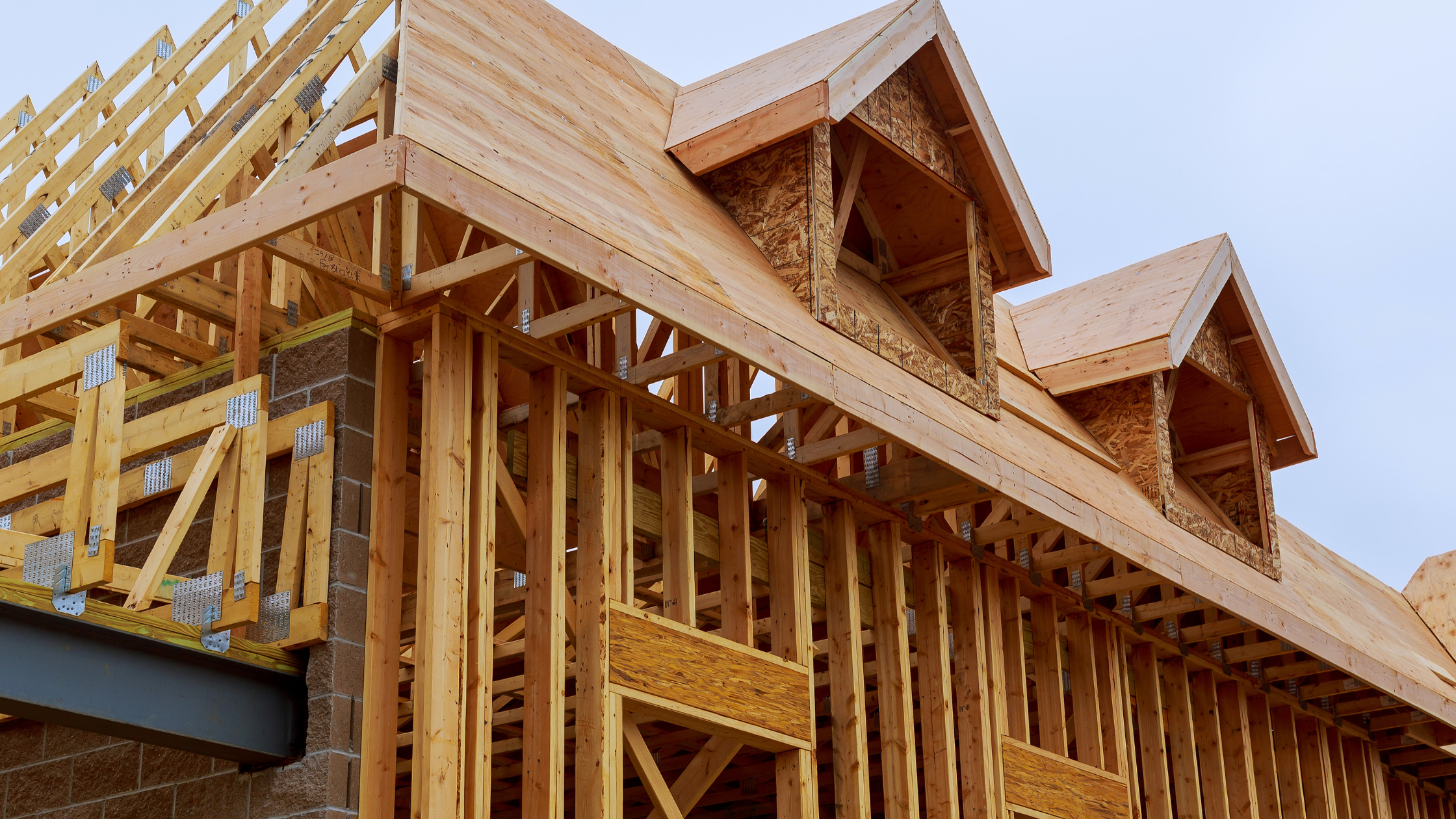
Your contractor should provide a detailed project timeline with key milestones. The process typically starts with site preparation and foundation work, followed by framing the new structure. Next come the “rough-ins” for plumbing, electrical, and HVAC systems. After inspections of this work, insulation and drywall are installed. The final stage involves finishing work, including flooring, painting, fixture installation, and exterior finishes.
Site Management & Daily Life During Construction
Living in your home during an addition requires flexibility. Your contractor should establish clear protocols for site cleanliness, work hours, and communication. Expect some level of dust and noise. It’s wise to set up a “clean zone” away from the construction area and discuss logistics like parking and material storage with your project manager. Regular check-ins with your contractor will help you stay informed and address any concerns as they arise.
Inspections & Quality Control
Throughout the construction process, a local building inspector will visit the site at key milestones—such as after framing or electrical rough-in—to ensure the work complies with building codes. These inspections are mandatory to proceed to the next phase. In addition to these official checks, your contractor or project manager will conduct their own quality control, ensuring the craftsmanship meets their high standards and aligns with the approved plans.
Beyond Completion: Enjoying Your New Space & Future Planning
The final stages of a home addition project are about transitioning from a construction site back to a fully functional, beautiful home. This phase brings the satisfaction of seeing your vision realized and marks the beginning of a new chapter in your life at home.
The Final Steps: Obtaining a Certificate of Occupancy.
After the final building inspection is successfully completed, the local jurisdiction will issue a Certificate of Occupancy (CO). This official document certifies that your home addition has been built in compliance with all applicable building codes and is safe to inhabit. The CO is a critical final step that officially concludes the construction process. With this in hand, you can fully move into and begin enjoying your beautifully expanded home, confident in the quality and safety of the construction.
Choosing the Right Partner for Your Northern Virginia Home Addition
A home addition is one of the most meaningful investments you can make in your Northern Virginia property. With the right guidance and a team that understands the region’s building standards, architectural styles, and permitting requirements, the entire experience becomes remarkably smoother. When you begin with a clear vision and work alongside professionals who value craftsmanship and communication, you end up with more than extra square footage — you gain a space that finally feels aligned with the way you live.
If you’re ready to explore what’s possible for your home, Rosewood Building & Design is here to help. Schedule your private consultation today, and let our design-build team guide you through every step — from concept to completion — with clarity, care, and a commitment to getting every detail right.